Introduction:
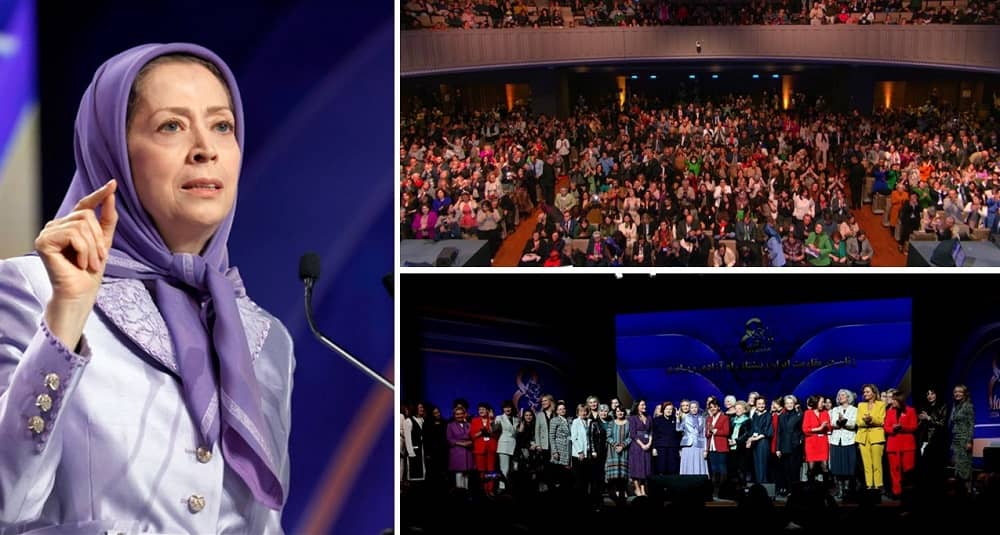
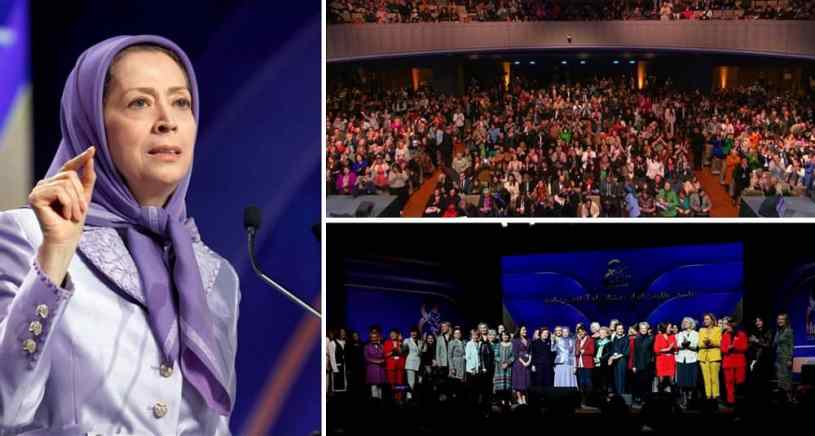
The Iranian Resistance, specifically the Mujahedin-e Khalq (MEK), has been at the forefront of the struggle for democracy, human rights, and freedom in Iran. Central to this resistance movement are its courageous and resilient female members, who have played a vital role in challenging the oppressive Iranian regime. This article highlights women’s significant contributions and pivotal role in the Iranian Resistance, specifically within the MEK.
- Leadership and Organizational Role:
Women within the MEK have held prominent leadership positions and played crucial roles in the organization’s structure. Maryam Rajavi, the President-elect of the National Council of Resistance of Iran (NCRI), is a prominent figure and inspires women activists within and outside Iran. As a charismatic leader, Rajavi has emphasized the importance of women’s active participation in the resistance movement, empowering them to take on leadership roles and contribute to decision-making processes.
- Participation in Protests and Activities:
Women in the MEK have been at the forefront of protests and demonstrations against the Iranian regime. They have courageously challenged the oppressive regime and demanded fundamental rights, freedom, and equality. Women activists have organized and led various social and political campaigns, advocating for women’s rights, democratic reforms, and an end to religious dictatorship. Their active participation and dedication have been instrumental in raising awareness and mobilizing support for the resistance movement.
- Advocacy for Women’s Rights:
Promoting women’s rights and gender equality is a core principle of the MEK. Female members of the movement have been actively involved in advocating for women’s rights, aiming to dismantle the discriminatory policies and practices imposed by the Iranian regime. They have campaigned against compulsory hijab, gender-based discrimination, and other forms of oppression faced by women in Iran. By raising their voices and sharing their experiences, MEK women have highlighted the urgent need for gender equality and women’s empowerment in Iranian society.
- Resistance and Empowerment:
In the face of repression, women in the MEK have demonstrated remarkable resilience and determination. They have endured imprisonment, torture, and various forms of persecution by the Iranian regime. However, these experiences have not deterred them from continuing their struggle for a free and democratic Iran. The MEK has provided a supportive environment that empowers women, enabling them to develop their leadership skills, receive education, and contribute to the resistance movement. Through their unwavering commitment and sacrifices, MEK women have become symbols of resilience and hope for a better future.
Conclusion
The role of women in Iran’s resistance, especially in the People’s Mojahedin, is vital and inspiring. Women activists have played an important role in challenging Iran’s oppressive regime, defending human rights, and striving for a democratic Iran. Their leadership, participation in demonstrations, defense of women’s rights, and resistance to oppression test their determination and commitment to achieve freedom, equality, and justice. The international community must recognize the vital role of women in Iran’s resistance, support them, and stand in solidarity with them to achieve a democratic and inclusive Iran. The men of this movement have also made an extraordinary violation in recognizing the role of women’s leadership and have played a great role in proving the legitimacy of women’s leadership in the struggle for freedom.
 Iran Liberty