
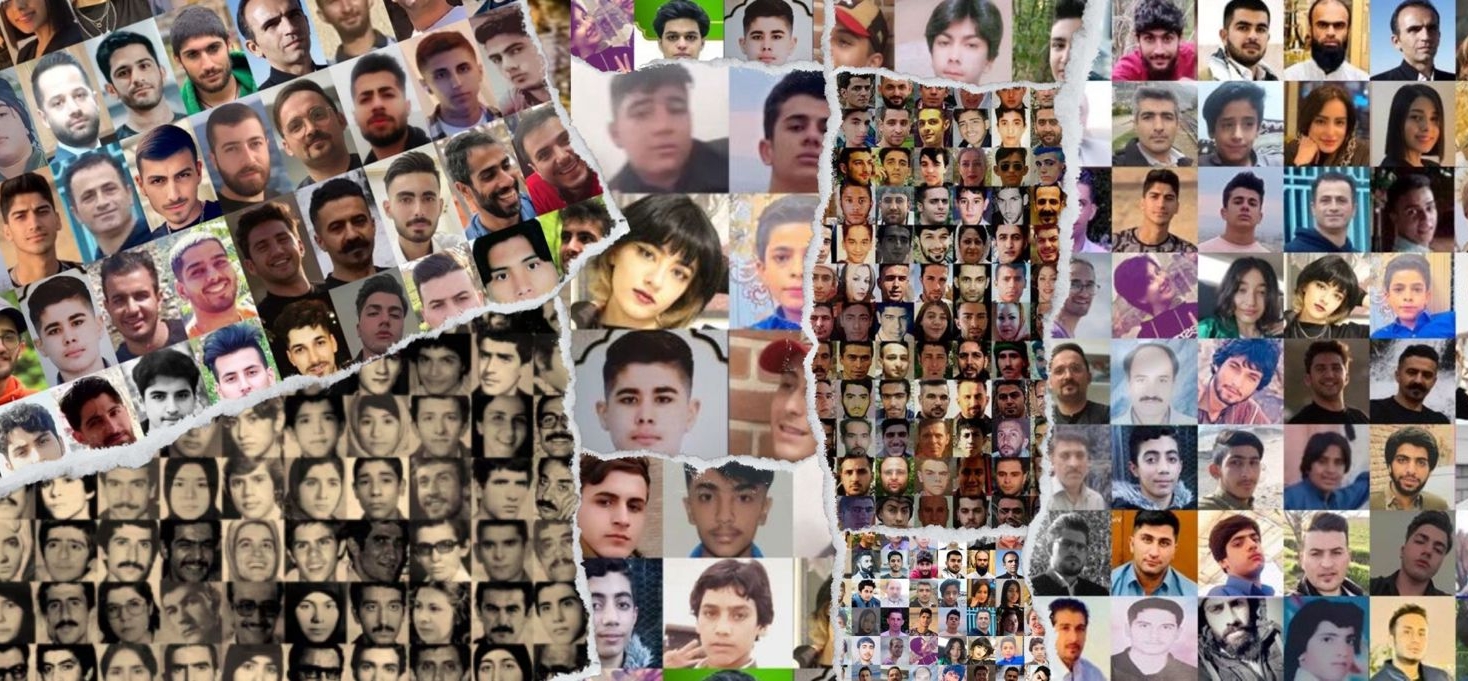
Iran, a nation steeped in history and culture, casts a long shadow. But beneath its beauty lies a stark reality – a persistent pattern of human rights violations that chills the soul. This darkness stretches back decades, leaving a trail of pain and injustice.
In 1988, the world witnessed a horror etched into history. The Iranian regime, under the iron fist of the current Mullahs, orchestrated a mass execution of political prisoners. Thousands, primarily members of the People’s Mojahedin of Iran (MEK), were dragged from their cells, subjected to sham trials, and brutally murdered. Their voices, yearning for freedom, were silenced in a wave of blood. Raisi, who died in his helicopter crash last week, then a young prosecutor, played a crucial role in this massacre, forever tarnishing his hands with the blood of the innocent.
This barbarity, however, did not end in 1988. Women in Iran continue to live under a suffocating veil of oppression. Simple acts, such as choosing what to wear, become acts of defiance in the face of mandatory dress codes enforced by the morality police. Violence against women, a societal ill, goes largely unpunished. The dream of equality, a fundamental human right, remains elusive for them.
The year 2022 witnessed another chilling chapter. The death of Mahsa Amini, a young woman detained for a “dress code violation,” sparked nationwide protests. The cry of “Woman, Life, Freedom” echoed throughout the streets, a desperate plea for basic rights. The response? A brutal crackdown by security forces. Children, symbols of innocence, weren’t spared. Reports documented the deaths of dozens of minors at the hands of the regime. Hundreds more faced arrest and imprisonment, their futures stolen for daring to dream of change.
Even today, the fear of arrest and execution hangs heavy in the air. Iran holds the dubious distinction of being one of the world’s leading executioners. Political dissidents, minorities, and even those accused of drug offenses face the ultimate penalty after swift and often unfair trials. This brutality aimed to prevent another uprising against the regime.
The world cannot be a bystander to such suffering. International community and human rights activists must raise their voices in solidarity with the Iranian people. Demanding accountability for past atrocities like the 1988 massacre and calling for an end to the ongoing violence against women, children, and protestors is essential. Economic pressure and diplomatic action can be powerful tools in pushing Iran toward respecting fundamental human rights, but they are not enough. Supporting the Iranian resistance against the repressive forces is essential.
The Iranian people deserve a future where freedom rings true, women are empowered, and children are safe. The shadow of human rights violations must lift, allowing the light of hope and justice shine. We must stand together for the sake of humanity and demand change.
 Iran Liberty